

Gold Miners 'Cheap' vs. Gold Prices
Record bullion prices leave mining stocks behind...
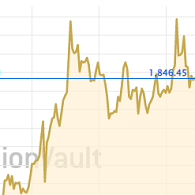
For SEASONED gold mining investors, the precious metal's move above $2500
should be a moment of
validation, says Frank Holmes at US Global Investors.
After all, the yellow metal
has long been seen as the
ultimate hedge against economic uncertainty.
And yet, despite the bull run,
gold stocks – those companies
that mine, process and sell the metal – are trading at historically low valuations relative to the
market.

This apparent disconnect
offers contrarian investors an extraordinary opportunity.
But first, why is
this happening? The primary
culprit for this disparity, I believe, lies in the impact of interest rates and central banks'
gold-buying spree. The real,
inflation-protected 10-year Treasury yield rose from a low of around -1.2% in August 2021 to nearly 2.5%
in October 2023, and for many
investors, particularly those in Western countries, rising yields are a signal to sell
non-interest-bearing gold.
That's exactly what happened. From the end of 2020 to May 2024, exchange-traded funds
(ETFs) backed by physical gold shed
approximately 30 million ounces, over a quarter of their total holdings, as yield-seeking investors
pared back their
positions.

What some
investors may have overlooked,
I'm afraid, is the long-term potential of the very assets they were letting go of.
Gold stocks, unlike the
physical metal, offer not just a hedge but also a means of participating in the upside of gold prices.
Put another way, when gold
prices have gone up, gold stocks have historically tended to rise even more.
Right now, I believe these
stocks are offering an unprecedented combination of low valuations and high potential
returns.
As
contrarians, we understand that the best time to invest is often when sentiment is at its lowest. And
sentiment around gold equities
is pretty low right now.
But history tells us that this could be the perfect
time to buy. As you may be able
to tell in the chart above, we're seeing a reversal of the gold ETF selloff. Since mid-May, investors
have added about 2.3 million
ounces of gold, according to Bloomberg data; holdings now stand at their highest level since February of
this year.
This could be just the beginning. If real interest fall substantially, the tide could turn
in favor of gold and gold
equities.
Historically, gold's biggest gains have occurred when the Federal
Reserve cuts interest rates amid
economic uncertainty. Although there's no obvious crisis on the horizon, markets are pricing in a cut at
each of the next three Fed
meetings in September, November and December.
If the Fed follows through, we
could see gold prices not only
maintain their current levels but soar to new heights. UBS is calling for $2700 gold by mid-2025;
Citigroup, Goldman Sachs and Bank of
America all see the metal hitting $3000.
That's not to say you should dump all
your other equities in favor
of gold, especially as the Fed is on the verge of easing. Charles Schwab recently showed what stocks did
in the past when rates fell,
and investors may want to take note.
The stock market traded up 12 out of 14
times – or 86% of the time – a
year after the Fed made its initial cut in a new easing cycle. Schwab points out that the two
back-to-back negative periods were
predicated on extraordinary circumstances: the dotcom bubble in 2001 and the housing crisis in 2007.
Past performance is no guarantee
of future results, but it's worth considering.

Chart of US Fed rates.
Source: US Global
Investors
This is excellent news for general investors, including the record
number of "401(k) millionaires"
– investors who have $1 million or more in their retirement accounts. According to Fidelity, there are
now almost half a million such
millionaires...and growing!






 Email
us
Email
us