
Lower Rates and Central-Bank Buying Send Gold to New Highs
Fed rate cuts coming as China's consumer demand eases off...
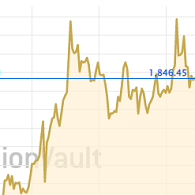
GOLD staged a blinding comeback after the Fed's March announcement,
surging to fresh all-time highs
above $2200 an ounce, writes Frank Holmes at US
Global Investors.
The rally, which has added around 10% to gold's
value since mid-February,
caught many market watchers off-guard. But for those of us who've stuck with the yellow metal through
its ups and downs, the price
action is the vindicating result of several powerful forces aligning in bullion's favor.
At the heart of
gold's resurgence is the Federal Reserve's signal that the central bank is on course to cut rates as
many as three times in 2024,
fueling hopes that the tight monetary policy of the past 18 months is nearing an end.
With rate cuts on the
horizon, real yields have cooled, increasing the relative attractiveness of non-interest-bearing
gold.
Traders have wasted little time pricing in the Fed's dovish stance. Futures markets now see a 72% chance
of a rate cut as soon as
June, up from 65% before the Fed meeting. Against this backdrop, gold's surge is, I believe, textbook
price action.
But there's more to the rally than just lower rates and a weaker US Dollar.
Central bank demand
for gold has been a powerful driver as more and more developing countries join the de-Dollarization
movement in response to Western
sanctions on Russia.
China has led the charge here, consistently adding large
amounts of gold to its reserves
for the past 16 months straight. Overall central bank buying reached record highs in 2022 and has shown
no signs of slowing, helping
to offset the selling pressure caused by gold-backed ETFs.
Higher gold prices
have significant implications
for the luxury goods market, where the precious metal is a key input cost for jewelry and watch
manufacturers. Specifically, the 14%
surge in gold prices since last fall appears to be crimping demand.
In China,
the world's largest buyer of
gold jewelry, retail sales in the luxury category rose just 5% year-over-year in the first two months of
2024 despite the reopening
boom, according to Bloomberg Intelligence. This could be worrying for luxury conglomerates like
Richemont and LVMH, which were
counting on a strong Chinese bounce-back to drive sales higher.
The pressure is
particularly intense for
retailers like Chow Tai Fook, the world's second-largest jewelry chain after Richemont-owned Cartier. In
its latest quarterly report,
Chow Tai Fook said non-gold jewelry sales at its stores in mainland China slid 2% compared to last year
due to "weak sentiment," write
Bloomberg Intelligence's Catherine Lim and Trini Tan.
With gold trading near
30-year highs in Yuan terms, the
outlook for jewelry demand in China appears challenging unless prices moderate. But the picture isn't
all bleak for luxury
brands.
While the appetite for gold trinkets may be suppressed right now due to
high metal prices, overall
luxury spending by Chinese consumers rebounded strongly in 2023 as the country emerged from Covid
lockdowns.
According to research firm Bain & Company, Chinese luxury purchases within mainland China recovered
to an estimated 70% of
pre-pandemic levels last year, with tourism spending in Europe and Asia also witnessing a
comeback.

Looking
ahead, Bain projects mid-single-digit growth for China's luxury market in 2024, supported by the
nation's still-robust fundamentals
for high-end consumption. A lot will depend on how issues like China's property sector crisis and
consumer confidence play out in the
coming months.
Regardless of any near-term volatility, China's increasingly
wealthy middle class will
continue driving demand for luxury goods and services.
For investors, I believe
the recipe is clear: Consider
allocating 10% of your portfolio to physical gold and high-quality gold mining stocks. The same
fundamentals that have revived gold's
current bull market – lower real rates, central bank buying, safe-haven appeal – could remain in place
in the months and years ahead.





 Email
us
Email
us